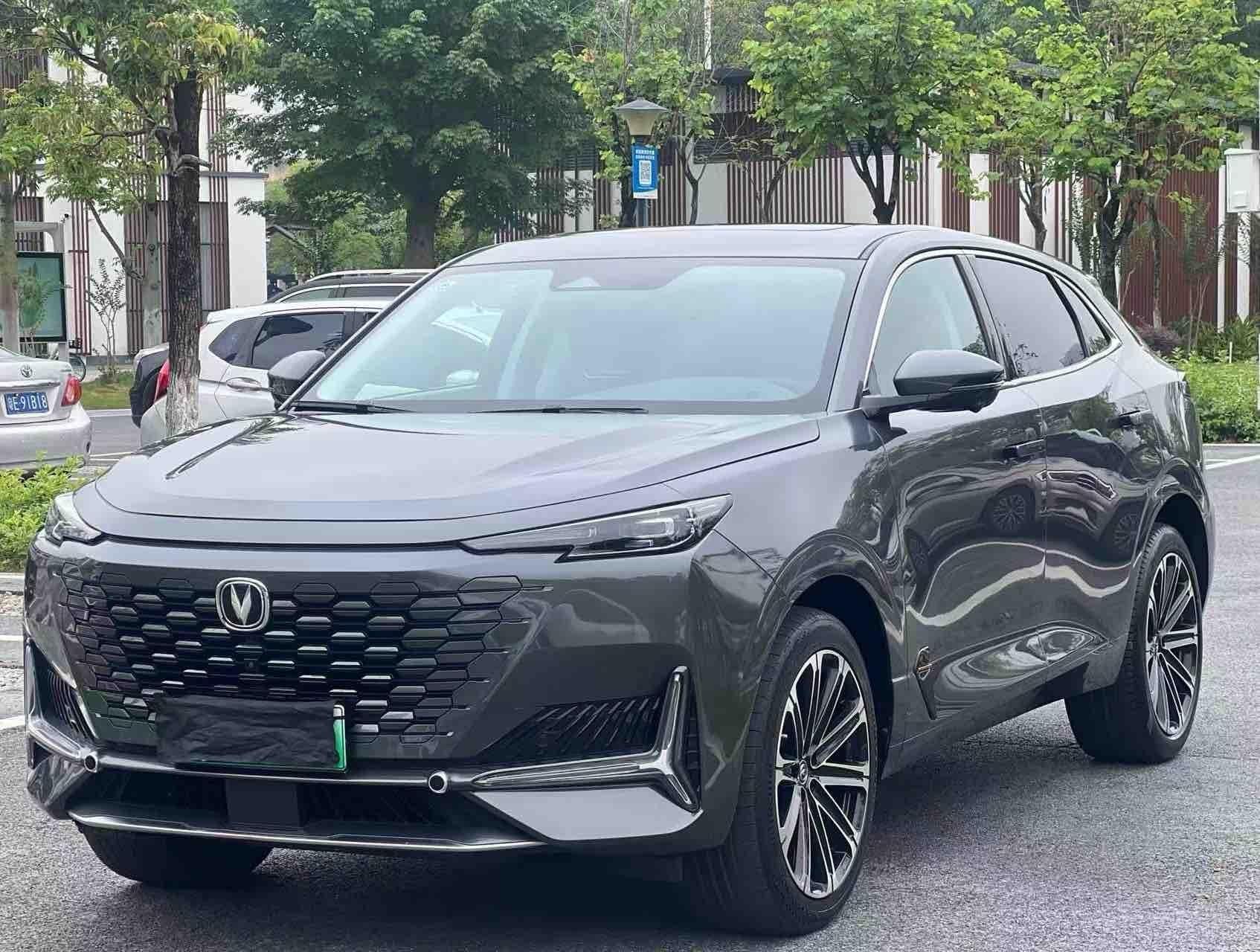
The Remote Sale Behind a Cup of Lemon Tea: A Changan UNI-K from China to Abidjan
When I think back to this order, the first thing I remember is the lemon tea.
Around May 2026, a colleague who had been working in sales at Seek Motors for just two months bought a cup for everyone in the company. He had secured his first entirely remote overseas customer.
He had already sold two cars, both to foreign buyers living in China who had come to see the vehicles in person. This time, the buyer was in Abidjan, Côte d’Ivoire. They had never met face to face, but the customer had decided to buy a car through him and send the deposit by bank transfer.
For someone only two months into the job, that was a moment worth sharing.
The Customer Was in Abidjan. The Car Was with Us.
The customer first came across us while browsing Facebook, then contacted our salesperson on WhatsApp. He was interested in a Changan UNI-K hybrid, priced at RMB 80,000.
They arranged a video call so he could see the car from Abidjan. The conversation moved from messages to a live view of the vehicle he was considering.
After the viewing, he was satisfied and arranged the 30% vehicle deposit by bank transfer, making the payment in West African CFA francs. The deposit represented RMB 24,000 of the agreed vehicle price.
That was the order behind the lemon tea. The excitement was our colleague’s; the export work was still ahead of us.
Once the deposit was received, we handled the application for the vehicle’s export licence and began comparing sailing options with the customer.
After the Lemon Tea, There Was a Sailing to Arrange
We arranged a dedicated 20-foot container for this vehicle, booked as a DG shipment and referred to as 20DG in this order. The dangerous-goods handling requirements meant this booking cost more than an ordinary cargo shipment.
The quote for the nearest sailing was over USD 4,600.
Our colleague suggested waiting to see the next sailing’s price. With freight rates moving so much, he wanted to give the customer another option before confirming the booking.
About four days later, the next quote arrived: a CMA CGM sailing at USD 4,200, including cargo insurance, with 12 days of free time at the destination under that booking’s terms.
It was several hundred dollars less, and the destination free time was another useful part of the offer. The customer was happy with the comparison and chose that sailing.
For our colleague, the order now involved more than the excitement of receiving a deposit. He was helping the customer make the next decision, one quote at a time.
The Final CIF Cost for This Vehicle
With the sailing selected, the costs were approximately:
Item | Amount |
|---|---|
Changan UNI-K hybrid | RMB 80,000 |
Export documents, transport to port and China port charges | RMB 5,500 |
Ocean freight and cargo insurance | USD 4,200 |
Total CIF cost to Abidjan | RMB 85,500 + USD 4,200 |
For illustration, converting the RMB portion at RMB 6.85 to USD 1 gives a total of approximately USD 16,700. That conversion helps explain the overall amount; it does not reproduce the bank’s actual settlement rate for the customer’s transfers.
This was the cost agreed for this shipment to Abidjan. Import duties, local customs clearance and other destination expenses were separate.
Before we sent the vehicle to port, the customer arranged another bank transfer in West African CFA francs for the remaining 70% of the vehicle price, equivalent to RMB 56,000.
On Loading Day, We Went Straight to the Container Yard
On the day of loading, the customer asked to watch the operation by live video.
I understood the request. If I were buying a car from that far away, I would want to see it going into the container too.
So we went straight to the container yard, connected a video call with the customer and showed him the loading operation in real time.
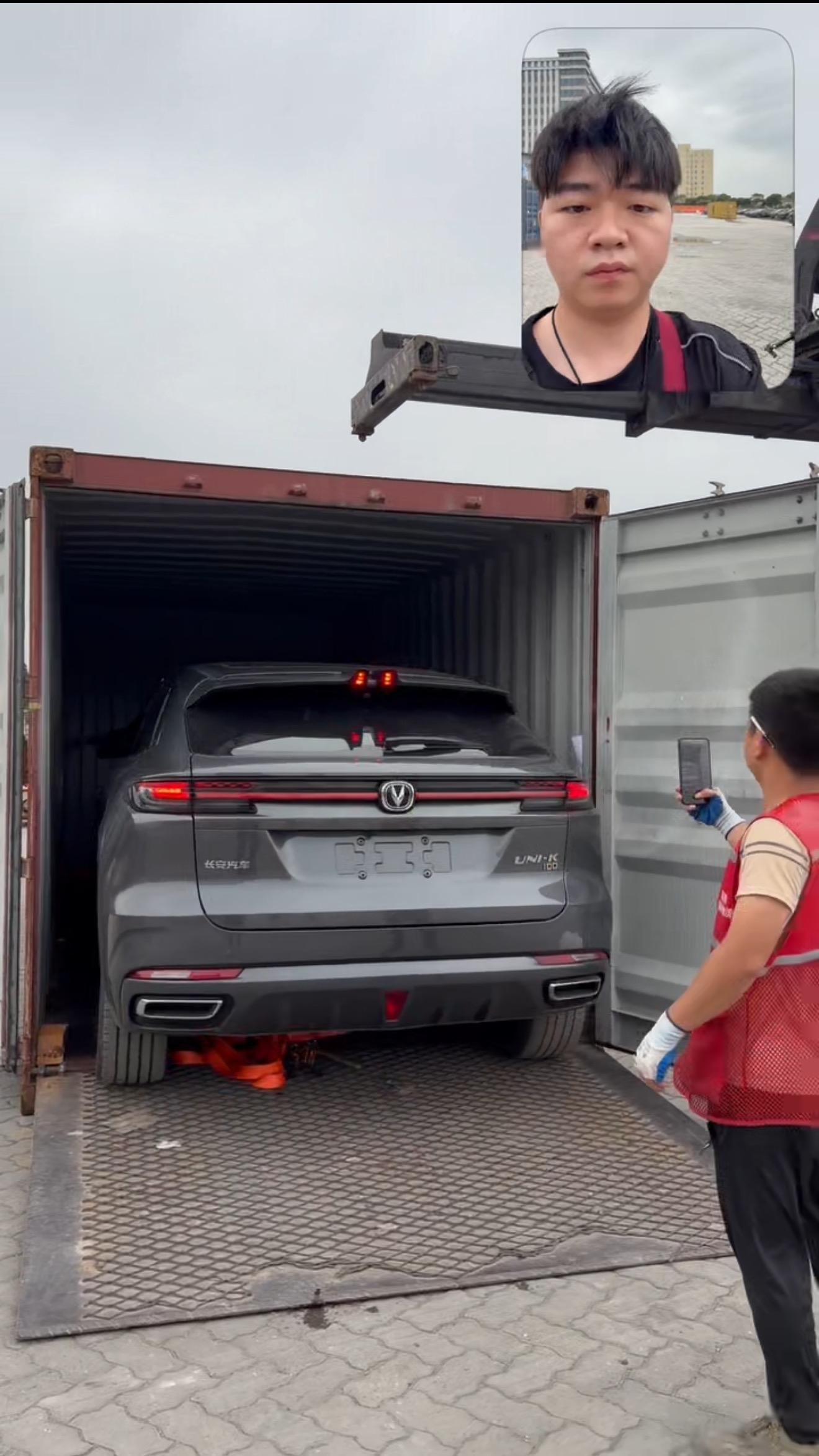
A live video call from the container yard during loading of the Changan UNI-K.
The earlier video call had taken place before he decided to buy. This time, the camera was at the container yard, and the car he had chosen through his phone was being loaded for its journey to Abidjan.
He was still following everything from a screen. On our side, the vehicle, the container and the loading team were right in front of us. Going to the yard meant we could show him that part of the order as it happened.
The loading photos also recorded the protective materials around the vehicle and the orange securing straps inside the container.
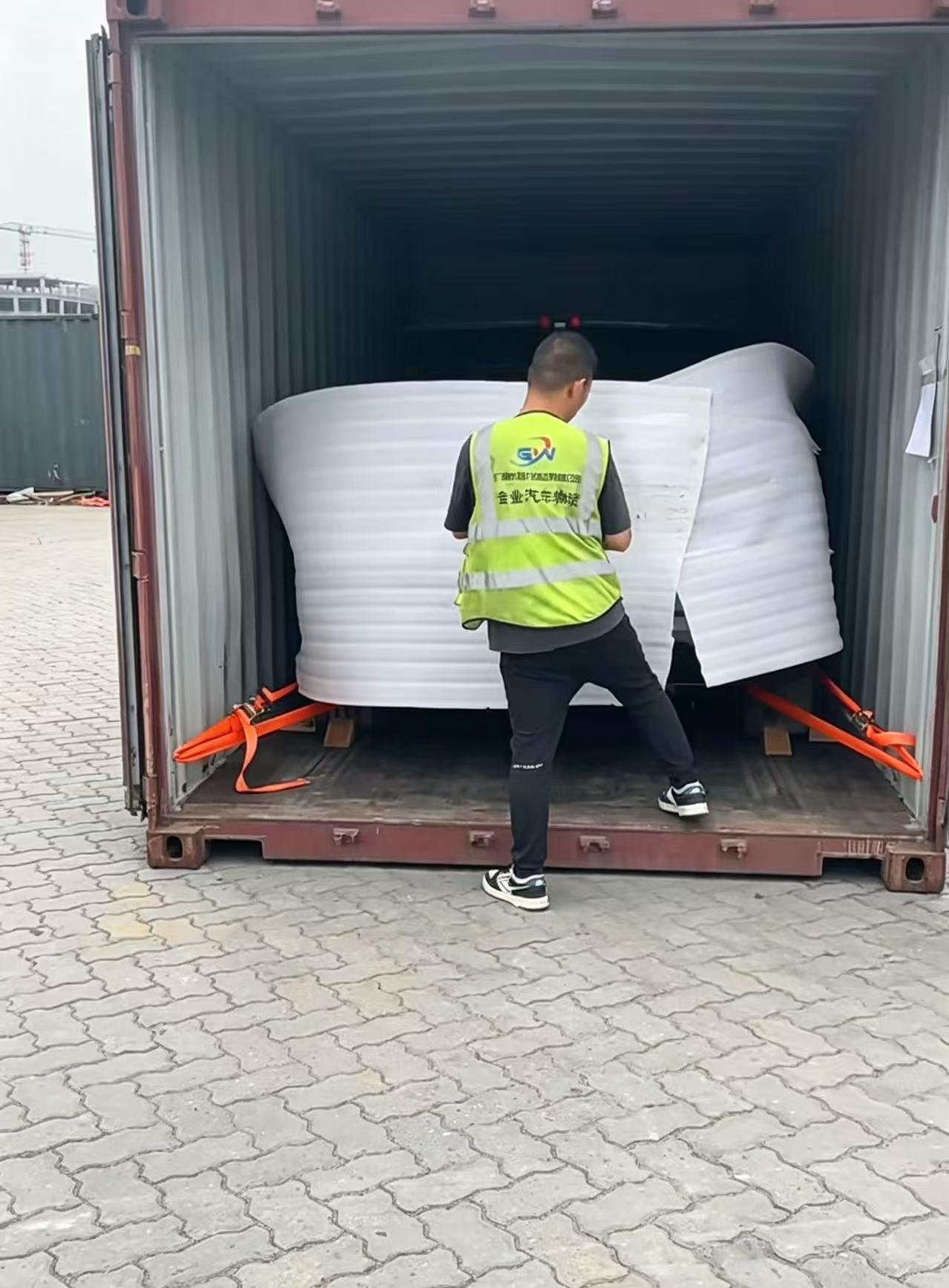
Protective materials and securing straps visible inside the container during loading.
Around 40 Days Later, the Car Reached Abidjan
The vehicle payment and the freight payment were handled separately. For this shipment, the customer could settle the freight while the vessel was at sea. The shipping line required receipt of the freight payment before releasing the bill of lading needed for the subsequent collection arrangements.
After approximately 40 days at sea, the vehicle reached Abidjan.
The customer worked with his own local customs clearance company for the steps after arrival. We were not involved in every detail of that process, so we cannot tell that part of the story from firsthand experience.
What we do know is the final outcome: the customer received the car. He also sent us a photo of the unloading after arrival.
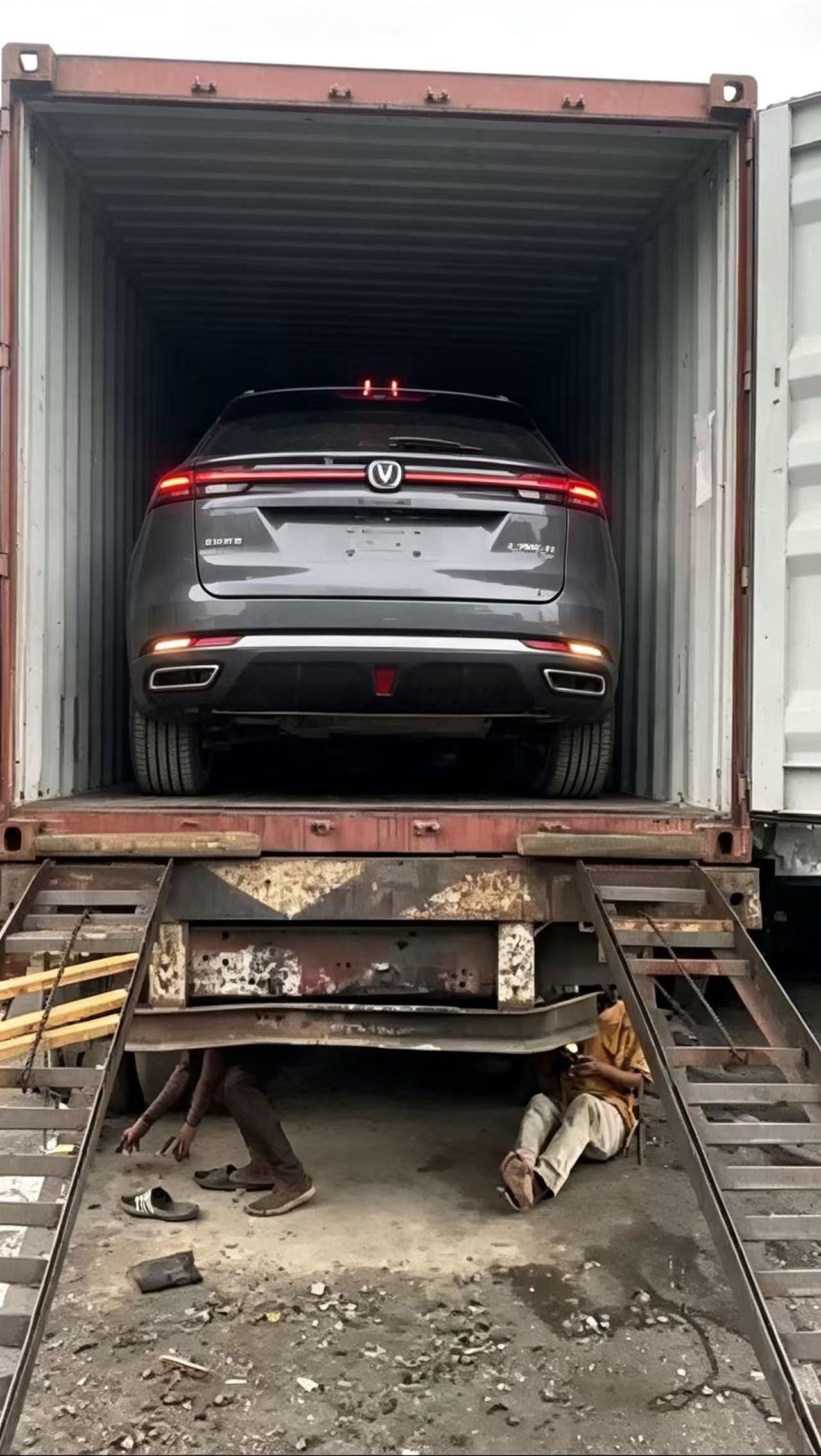
Unloading after arrival in Abidjan. Photo provided by the customer.
From finding us on Facebook to WhatsApp conversations, video viewing, bank transfers and a live call during loading, the order had made its way from a phone screen to the customer’s hands.
When I think back to it, though, the first thing that comes to mind is still that cup of lemon tea.
He was only two months into the job. After securing his first overseas customer willing to pay remotely, he simply wanted the colleagues around him to share his excitement.